Capturing the Meaning, Family Connections, and Beautiful Traditions of a Jewish Wedding Celebration
A Jewish wedding is filled with meaningful traditions that celebrate love, commitment, family, and faith. From the quiet moments before the ceremony to the joyful dancing at the reception, every part of the celebration tells a story.
One of the most significant moments to photograph is the Ketubah signing, an intimate tradition that often takes place shortly before the wedding ceremony. Surrounded by close relatives, witnesses, and the officiant, the couple participates in a moment that connects their marriage to generations of Jewish history.
For wedding photographers, documenting the Ketubah signing is about more than capturing signatures on a page. It is about preserving the emotions, relationships, meaningful details, and cultural heritage that make the couple’s wedding uniquely theirs.
What Is a Ketubah?
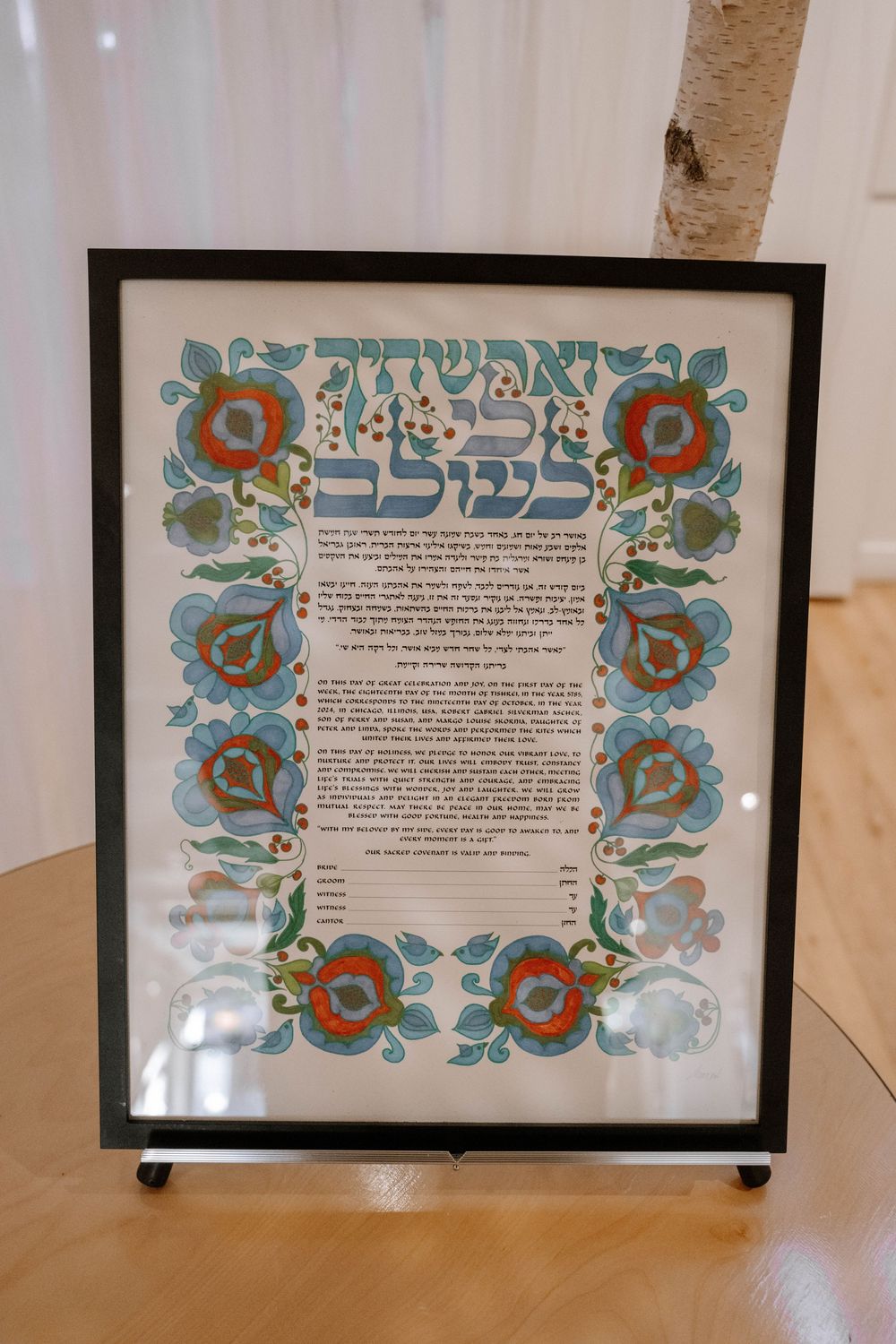
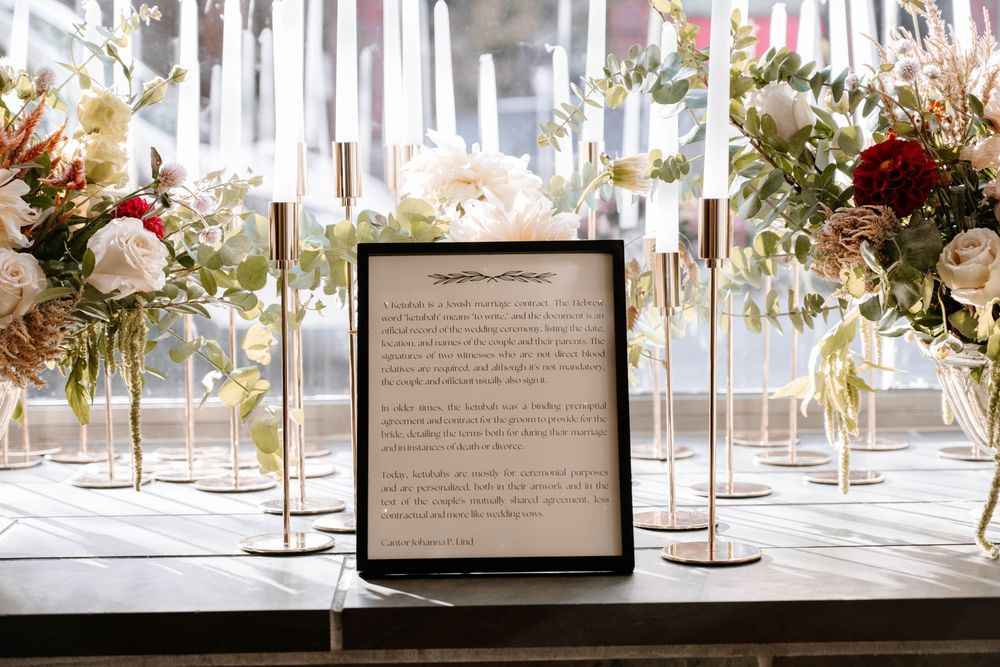
A Ketubah is a Jewish marriage contract that traditionally describes the responsibilities and commitments associated with marriage. Its historical purpose included documenting the husband’s obligations and protecting the rights and financial security of the wife. Modern Ketubahs may also include personalized language reflecting the couple’s shared values, love, equality, partnership, and hopes for their future together.
The word “Ketubah” is connected to the Hebrew and Aramaic root meaning “to write,” making the beautifully designed document both a written commitment and a meaningful piece of Jewish history.
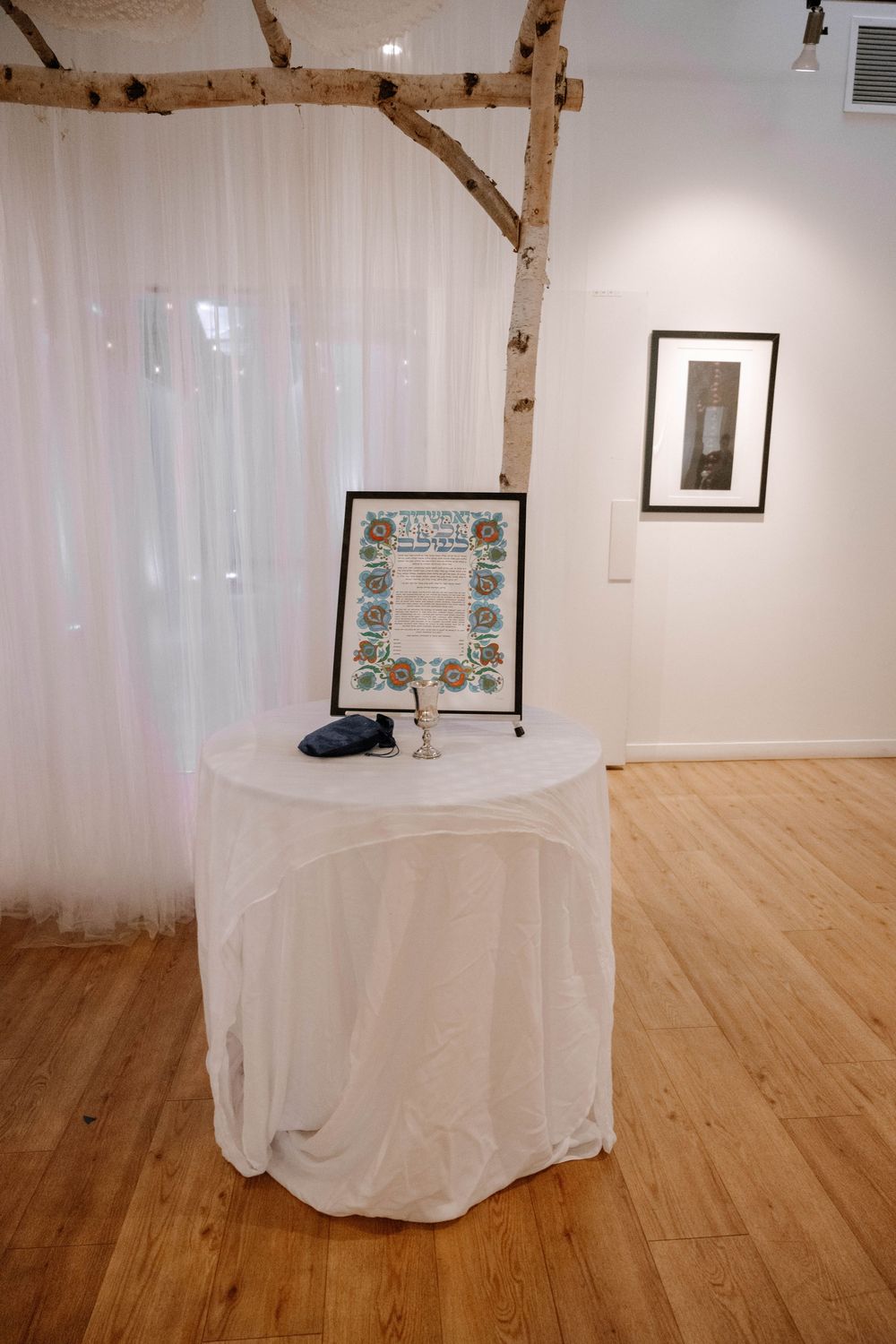
Today, many couples select a Ketubah that complements their personalities and wedding style. Some feature traditional Hebrew or Aramaic lettering, while others incorporate English translations, contemporary wording, watercolor illustrations, calligraphy, floral artwork, or symbolic designs.
After the wedding, the Ketubah is often framed and displayed in the couple’s home as a reminder of the promises made at the beginning of their marriage.
The Ketubah Signing Ceremony
The Ketubah signing commonly takes place before the main wedding ceremony in a private room or quiet area of the venue. Depending on the couple’s religious community and personal preferences, the room may include the couple, their rabbi or officiant, designated witnesses, parents, grandparents, siblings, and a few close friends.
In traditional Jewish practice, two qualified witnesses sign the Ketubah. In many contemporary ceremonies, the couple, officiant, or additional witnesses may also add their signatures. Customs can vary significantly between Orthodox, Conservative, Reform, interfaith, and modern Jewish weddings, so couples should always follow the guidance of their rabbi or officiant.
Although the signing may last only a few minutes, it frequently becomes one of the most emotional parts of the wedding day.
Parents may look on with pride. Grandparents may recognize traditions they experienced at their own weddings. Witnesses may feel honored to participate. The couple may exchange smiles, nervous laughter, or quiet glances as they prepare to begin married life together.
These natural interactions create beautiful and meaningful wedding photographs.
Why Ketubah Signing Photos Are So Important
The Ketubah signing is often more intimate than the wedding ceremony itself. Because it usually happens in a smaller setting, the photographer can document emotions and relationships that might otherwise remain unseen by most guests.
Important photographs may include:
- The complete Ketubah before it is signed
- Detailed images of the Hebrew lettering and artwork
- The couple reviewing the document
- The rabbi or officiant explaining the tradition
- Witnesses signing the Ketubah
- Close-up photographs of each signature
- Parents and grandparents observing the moment
- The couple exchanging emotional glances
- Family members embracing after the signing
- A formal portrait of the couple holding the completed Ketubah
These images become part of the couple’s family history. Years later, they may be shared with children and future generations as a visual record of the promises, traditions, and loved ones present on the wedding day.
Photographing the Artistic Details of the Ketubah
Many Ketubahs are carefully selected or custom-made works of art. Their intricate details deserve to be photographed with the same care given to wedding rings, invitations, flowers, and other important wedding elements.
Before the signing begins, the photographer may capture the Ketubah alongside meaningful details such as:
- Wedding rings
- Invitation suites
- Kiddush cups
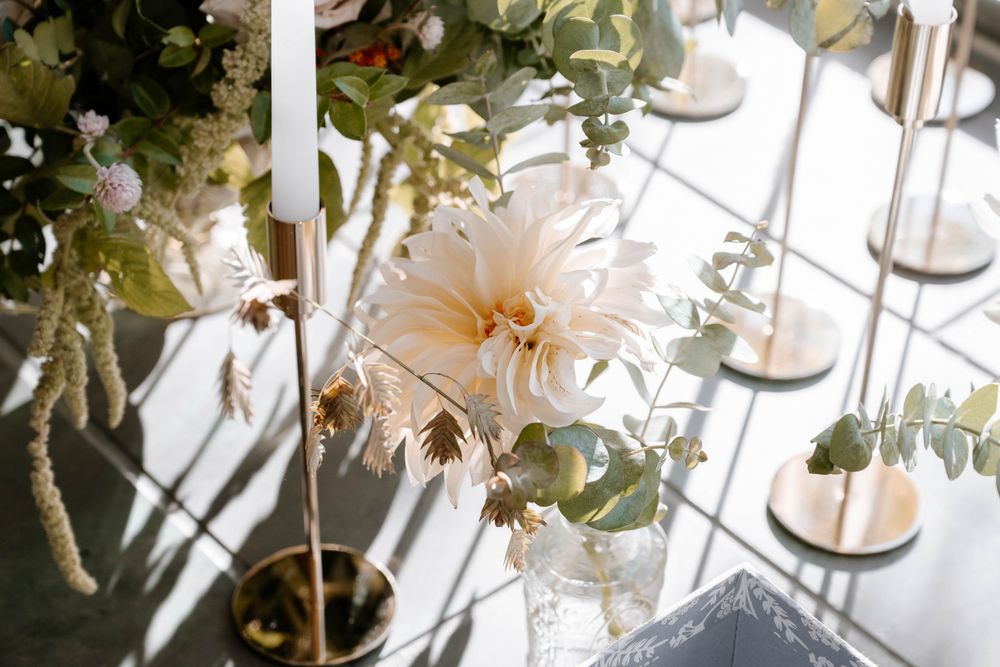
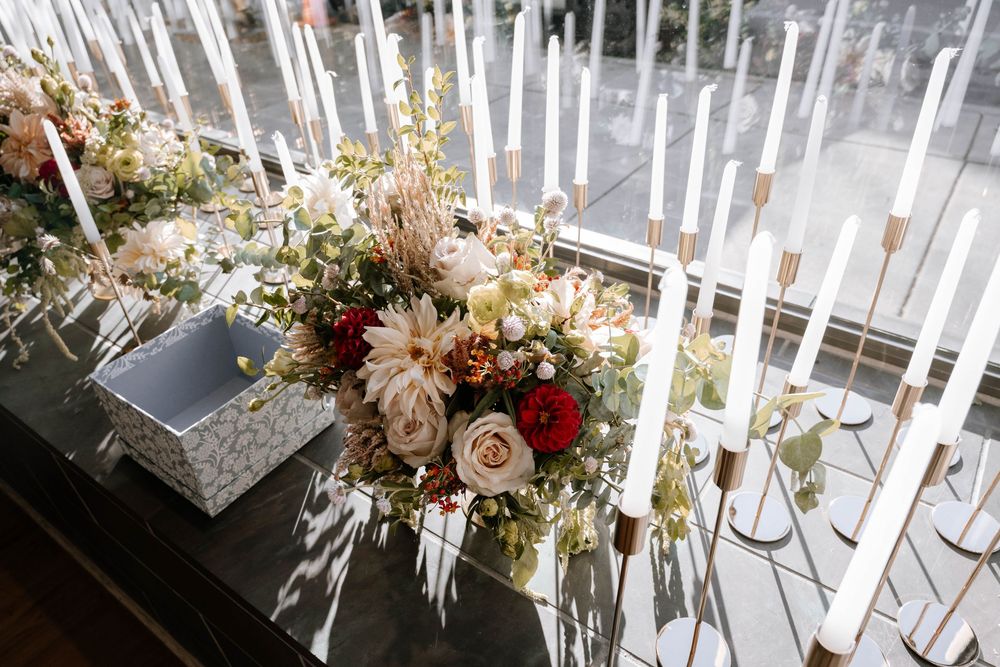
- Floral arrangements
- Family heirlooms
- The bride’s bouquet
- A tallit
- Personalized ceremony programs
- Hebrew calligraphy
- Decorative frames or presentation cases
These photographs help create a complete visual story of the wedding and highlight the thoughtful choices that went into the celebration.
Couples should let their photographer know in advance if their Ketubah includes delicate materials, metallic accents, reflective glass, raised lettering, or other elements that may require special lighting or careful handling.
Creating Space for Authentic Emotions
The strongest Ketubah signing photographs are rarely posed. They come from genuine moments: a parent wiping away a tear, a witness concentrating while signing, the couple laughing together, or a grandparent watching with quiet pride.
An experienced Jewish wedding photographer knows how to document these interactions respectfully without interrupting the ceremony.
During this part of the day, photographers should work quietly, avoid blocking family members, and communicate with the rabbi or officiant beforehand. Understanding where to stand and when movement is appropriate allows the photographer to preserve the moment while respecting its religious importance.
Other Jewish Wedding Traditions to Photograph
The Ketubah signing is only one part of the rich story of a Jewish wedding. Depending on the couple’s traditions and preferences, the celebration may also include several other meaningful moments.
The Bedeken
The Bedeken is the veiling ceremony, during which the groom traditionally places the veil over the bride’s face. It may happen shortly before the ceremony and can be filled with emotional interactions between the couple and their families.
The Chuppah
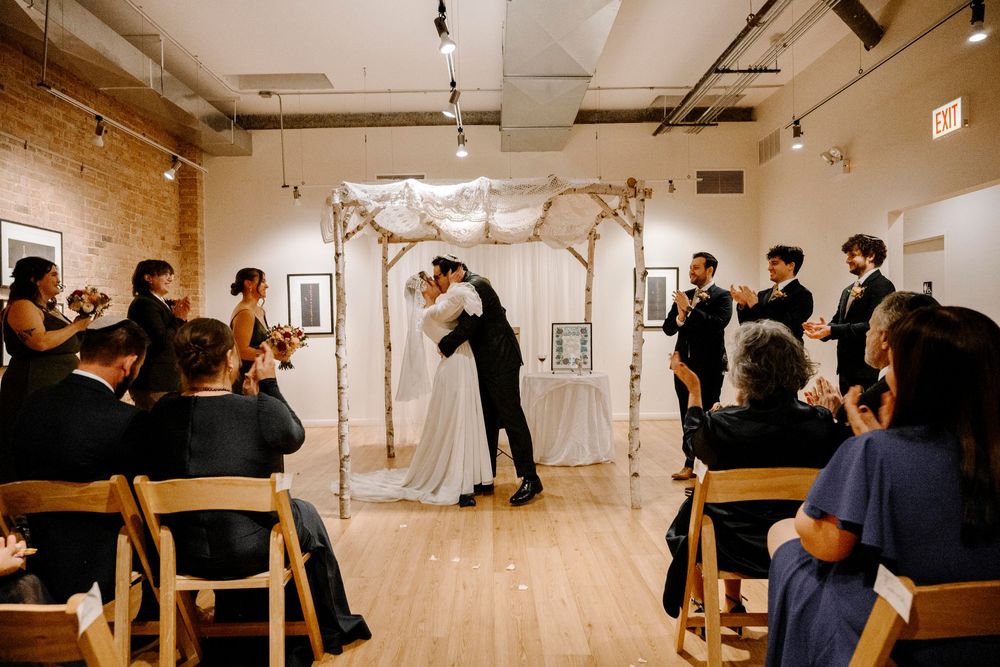
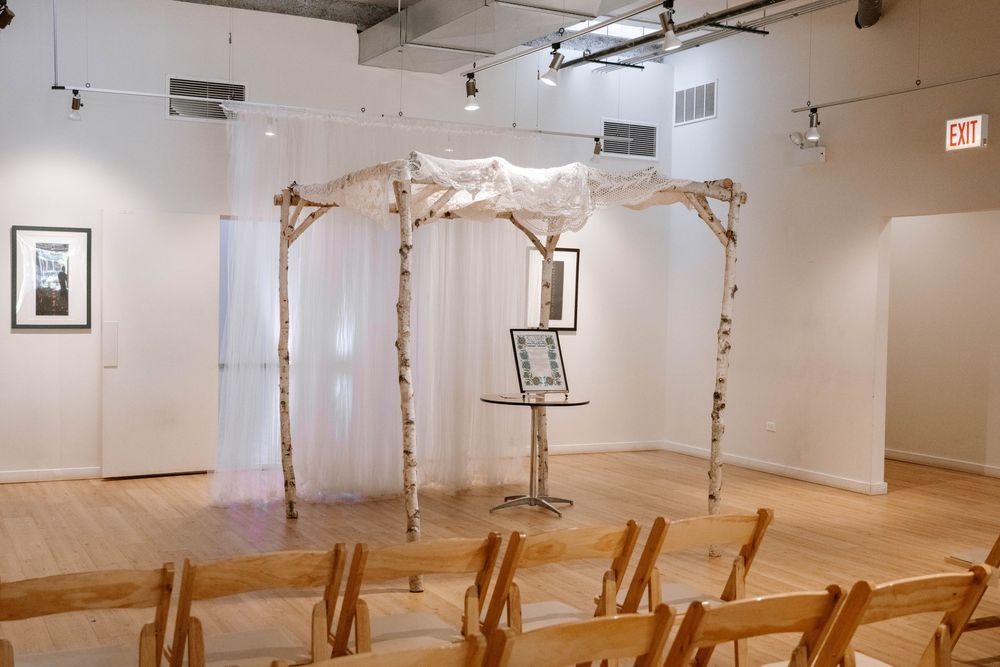
The Chuppah is the wedding canopy under which the couple stands during the ceremony. It symbolizes the home they will create together and may be decorated with flowers, fabric, family heirlooms, or a meaningful tallit.
Wide photographs can showcase the full design, while closer images capture the couple, family members, blessings, and emotional expressions beneath it.
The Kiddush and Wedding Blessings
The couple may share wine and hear traditional blessings during the ceremony. These quiet moments create opportunities for close-up photographs of the Kiddush cup, the couple’s hands, and the expressions of family members.
The Breaking of the Glass
The breaking of the glass is one of the most recognizable Jewish wedding traditions. Immediately afterward, guests often call out “Mazel Tov!” and the atmosphere changes from reflective to joyful.
Because the moment happens quickly, the photographer must be prepared to capture the action, the couple’s reaction, and the celebration that follows.
The Hora
During the reception, the Hora brings guests together for energetic dancing. The couple may be lifted into the air on chairs while friends and family dance around them.
Photographs of the Hora are often filled with movement, laughter, excitement, and unforgettable expressions. A wider perspective captures the crowd, while closer images preserve the couple’s reactions and the hands supporting them.
Planning Time for Ketubah Signing Photography
Couples should include the Ketubah signing in their wedding timeline rather than treating it as an informal moment between scheduled activities.
Although the signing itself may be relatively brief, additional time may be needed for:
- Gathering family members and witnesses
- Reviewing or explaining the document
- Signing in the correct order
- Photographing the artwork before signatures are added
- Capturing candid reactions
- Creating a few family portraits afterward
- Preparing for the Bedeken or main ceremony
Providing enough time allows the tradition to feel calm and meaningful instead of rushed.
The couple should also tell their photographer where the signing will happen. A bright room with enough space for the photographer, family members, and officiant can make a significant difference in both the experience and the final photographs.
Tips for Beautiful Ketubah Signing Photos
Share the Timeline With Your Photographer
Tell your photography team when and where the signing will take place, who will participate, and whether any additional customs will happen immediately afterward.
Introduce Your Photographer to the Officiant
A short conversation before the ceremony allows the photographer to understand any religious boundaries, movement restrictions, or important moments that must not be interrupted.
Choose a Comfortable Signing Area
Whenever possible, select a room with natural light, uncluttered surroundings, and enough space for close family members. A clean environment helps keep the focus on the couple and the tradition.
Prepare the Ketubah in Advance
Make sure the document, pens, witnesses, and necessary ceremonial items are ready before the signing begins. Testing the pens ahead of time can prevent delays or accidental marks.
Identify Important Family Members
Let the photographer know which parents, grandparents, siblings, or special guests should be documented during the signing. This is especially valuable when several people are gathered in a small room.
Allow the Moment to Unfold Naturally
Couples do not need to look at the camera throughout the signing. The most meaningful photographs often happen when everyone remains focused on the ceremony and interacts naturally.
Preserving Jewish Heritage Through Wedding Photography
Jewish wedding photography is not only about beautiful portraits. It is about understanding the cultural and emotional meaning behind each tradition.
The Ketubah signing represents written commitment. The Chuppah represents the home the couple will build. The blessings connect the marriage to faith and community. The Hora brings generations together in celebration.
When photographed thoughtfully, these moments create a wedding gallery that feels personal, complete, and deeply connected to the couple’s heritage.
Every Jewish wedding is different. Some couples follow traditional customs closely, while others reinterpret them through a modern, egalitarian, interfaith, or multicultural celebration.
Professional photography should honor those differences and document the wedding exactly as the couple has chosen to experience it.
FAQ
When does the Ketubah signing usually happen?
The Ketubah is commonly signed shortly before the main wedding ceremony. However, the exact timing depends on the couple’s religious tradition, venue schedule, and guidance from their rabbi or officiant.
Who signs the Ketubah?
Traditional requirements generally include two witnesses. Depending on the Jewish denomination and the wording of the Ketubah, the couple, rabbi, officiant, or additional witnesses may also sign it.
Should the Ketubah be photographed before or after signing?
Ideally, it should be photographed both before and after. Before the ceremony, the photographer can capture the artwork without people surrounding it. Afterward, photographs can document the completed document and everyone who participated.
How much time should we schedule for the signing?
Couples should generally reserve enough time for the explanation, signatures, candid moments, and a few portraits. The officiant and wedding planner can help determine the appropriate amount of time for the specific ceremony.
Can the photographer be present during a private Ketubah signing?
Usually, yes, but the couple should confirm this with their rabbi or officiant. Some ceremonies may have specific rules about who may enter the room or where the photographer can stand.
Can we use a personalized Ketubah?
Many modern couples choose personalized Ketubahs that reflect their relationship, values, religious practices, artistic style, or interfaith background. The final wording should be reviewed with the rabbi or officiant before the wedding.
What other Jewish wedding traditions should we tell our photographer about?
Couples should mention the Bedeken, Chuppah ceremony, Kiddush, Sheva Brachot or seven blessings, breaking of the glass, Yichud, Hora, and any family-specific or cultural traditions included in the celebration.
Can Albany Capture photograph interfaith Jewish weddings?
Yes. Albany Capture welcomes couples from different religious and cultural backgrounds. We work with each couple to understand the traditions, family relationships, and meaningful details they want documented.
Contact Us
Your wedding traditions deserve to be photographed with care, cultural awareness, and attention to every meaningful detail.
At Albany Capture, we document Jewish weddings through a combination of candid storytelling, elegant portraits, family moments, and detailed photographs of traditions such as the Ketubah signing, Bedeken, Chuppah ceremony, breaking of the glass, and Hora.
Contact Albany Capture today to learn more about our wedding photography collections, check availability for your wedding date, and begin planning a photography experience you'll cherish for a lifetime.
Let Albany Capture preserve every breathtaking moment with timeless photography.
📸 Book your complimentary consultation today at calendly.albanycapture.com
Visit us at albanycapture.com for inspiration and portfolio highlights.